A manufacturing shop with 280,000 products, 38% zero-result rate, 0.9% conversion rate on search traffic. Two weeks later: 9% zero results, 1.4% conversion. Here’s how the switch went, with real numbers, without marketing varnish.
Starting point
The customer is a technical wholesaler in southern Germany. Assortment: screws, nuts, tools, hydraulic components. 280,000 products, three brand worlds in parallel, volume tiers, technical datasheets. Daily revenue in the six-figure range.
Their standard search delivered:
38% zero-result rate on mixed search and category traffic
0.9% conversion on search sessions (industry median: 2.8%)
Average response time: 340 ms
Manual synonym maintenance by a two-person team, about 8 h per week
Day 0 to 1: setup
API integration into the Shopware backend, full catalog indexing in just under 14 hours (large image volume, technical datasheets co-indexed). Frontend embedded as a widget, no UI changes to the shop. Parallel operation with the standard search activated for A/B testing.
Day 2 to 7: tuning
In the first week, together with the team, we:
Imported the top 200 zero-result queries from the last 90 days
Activated industry material mappings (V2A/A2/1.4301 and 15 more families)
Reviewed compound-word decomposition for “highpressurehose”, “stainlessnut” etc.
Configured re-ranking on stock level and margin class
Customer effort: about 4 hours that week, mostly for assortment decisions, not technical work.
Day 8 to 14: live test with 50/50 traffic split
A week of A/B with real traffic. Both searches live, alternating. Result:
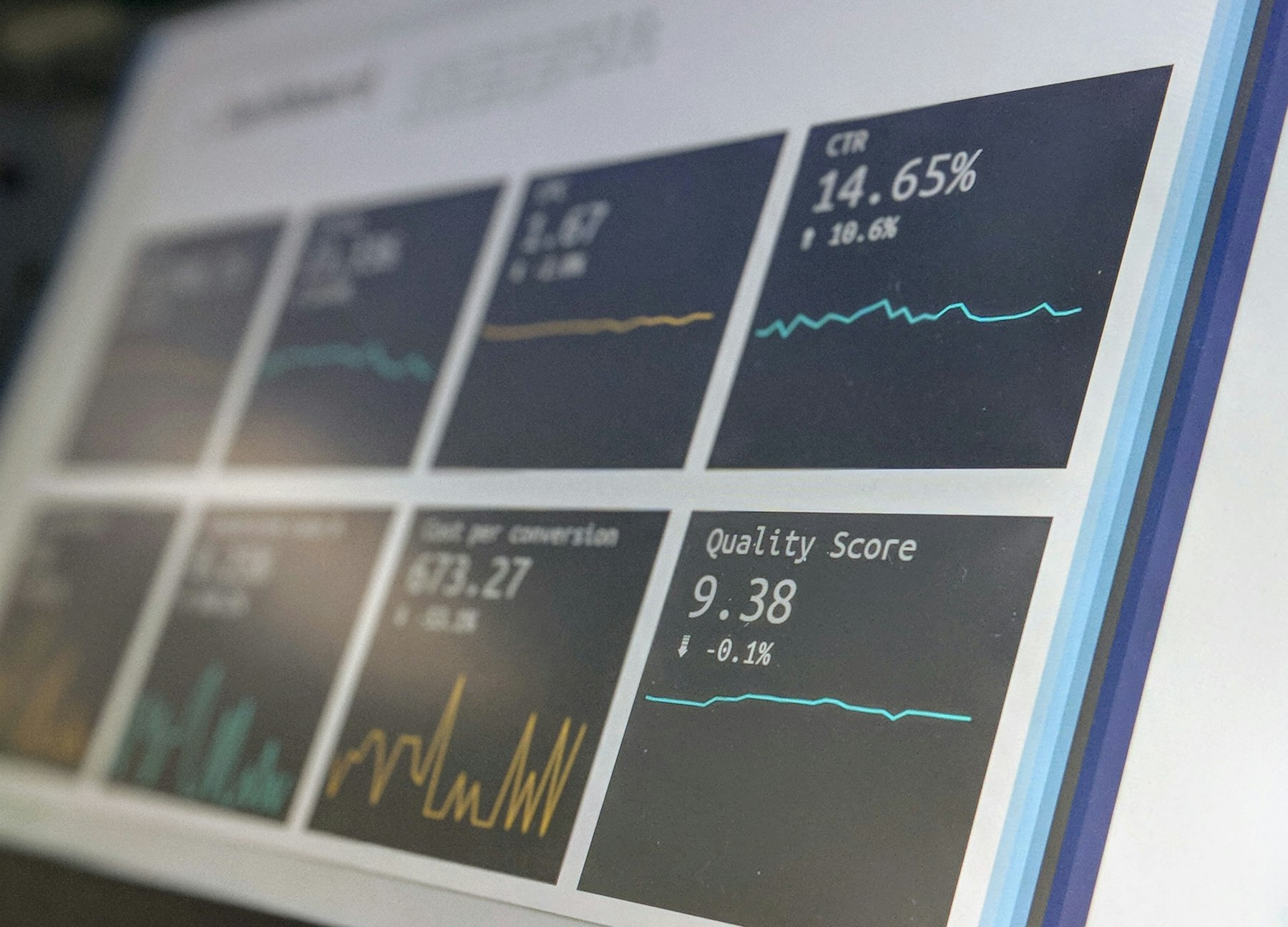
| Metric | Standard search | Eywora |
|---|---|---|
| Zero-result rate | 38% | 9% |
| Avg. response time | 340 ms | 52 ms |
| CTR on result positions 1–3 | 21% | 38% |
| Conversion rate on search | 0.9% | 1.4% |
| Avg. basket value (search order) | €184 | €206 |
Economic impact
Projected against the shop’s daily revenue and search share, this means:
+€1.4M additional revenue per year from an improved search funnel
~€12K Eywora license per year (Growth + add-ons)
~6 h per week of maintenance effort saved (synonyms now automatic)
First-year ROI: roughly 100×. In year two, with maintenance savings: higher still.
€12Kinvestment per year€1.4Madditional revenue per yearRoughly 100× ROI in year one. Plus 6 h of maintenance saved, every week.
What’s not in the story, but should be
Three points we don’t put in the pitch story:
The first 3 days were bumpy. The norm mappings didn’t cover every material code the shop uses. Two days of engineering work, then it fit.
One boost rule was too aggressive. We had the margin boost initially at 30%, which caused too much ranking shift. Reduced to 12%, then balanced.
There was a short internal veto. The IT department was sceptical about GDPR. After we showed the DPA and the hosting documentation, it was resolved in one meeting.
What you can take away from this story
Setup is fast. 24 hours to 14 days, depending on complexity, is realistic.
Tuning is collaboration. The first days matter: initial configuration, assortment decisions, boost logic.
Impact is measurable. Conversion, zero results, CTR on result positions are the right metrics, not “the search feels better”.
Maintenance effort drops. Most synonym and boost logic happens automatically once conversion signals flow.
If you want a comparable before/after projection for your own shop: request a fit check. 30 minutes, live in a real customer shop, with an honest assessment.